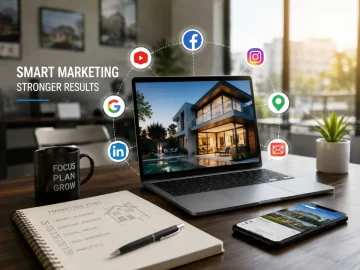
Real estate is a relationship business, but relationships rarely start with a handshake anymore. They start with a search, a scroll, or a click. Before a buyer ever calls an agent, they have usually browsed dozens of listings online, checked reviews, watched a few neighborhood videos, and formed an opinion about who they trust. That means the platforms you choose to market your real estate business are not just marketing channels. They are the first impression your brand makes.
Choosing the right marketing platforms matters because every platform serves a different purpose. Some are built for brand awareness, helping people recognize your name and remember your face. Others are designed for lead generation, capturing contact information from buyers and sellers who are ready to act. Some platforms strengthen local visibility so you show up when someone searches “homes for sale near me,” while others help you build long term client engagement so past clients come back and refer their friends.
Spreading your budget and time across too many platforms without a plan rarely works. The agents and brokerages that consistently generate leads are the ones who understand which platforms fit their goals, their audience, and their market, and who commit to doing those platforms well. So what platforms work best for real estate marketing, and is there really a single best platform for real estate marketing, or does the answer depend on how your business operates?
This guide breaks down the best platforms for real estate marketing in 2026, what each real estate marketing platform does best, and how to combine them into a strategy that actually produces results.
Why Choosing the Right Real Estate Marketing Platform Matters

Not all traffic is equal, and not all attention translates into business. The right platform mix helps you accomplish five things that directly affect your bottom line.
Reaching qualified buyers and sellers is the foundation. A platform that puts your listings in front of people actively searching for homes in your area is far more valuable than one that simply generates impressions. Intent matters more than reach.
Generating consistent leads separates agents who thrive from agents who struggle. One viral post or a single well ranked listing will not sustain a business. You need channels that produce a steady, predictable flow of inquiries month after month.
Building trust and credibility happens gradually, through reviews, helpful content, professional presentation, and consistent visibility. Buyers and sellers are making one of the largest financial decisions of their lives, and they want to work with someone who looks established and knowledgeable.
Increasing property visibility means your listings are seen by as many relevant eyes as possible, across search engines, listing sites, and social platforms, so sellers see the value you bring to marketing their home.
Improving return on marketing investment ties everything together. The goal is not to be everywhere. It is to spend your budget on the platforms that produce the best cost per lead and the highest quality clients for your specific market.
Best Platforms for Real Estate Marketing
Every platform on this list plays a different role, and knowing what each one is actually built for is what separates a scattered marketing plan from one that consistently brings in leads. Here’s a closer look at the platforms worth building your strategy around.
1. Google Search and Google Ads
Google remains the starting point for most real estate searches. When someone types “condos for sale in downtown Austin” or “best realtor in my area,” they are showing strong buying or selling intent, and that is exactly the kind of traffic worth capturing.
Real estate SEO helps your website rank organically for these high intent searches without paying for every click. A well optimized site with location specific pages, useful blog content, and strong technical foundations can bring in leads for years after the content is published. This is one of the most cost effective long term strategies in real estate digital marketing, because once you rank, the traffic keeps coming without ongoing ad spend.
Paid search campaigns through Google Ads complement organic SEO by putting you at the very top of results immediately, while your organic rankings build in the background. Ads can be targeted by location, property type, and even the specific stage of the buyer or seller journey, making them a strong tool for generating leads on demand. Combining both approaches is one of the smartest real estate marketing strategies available, since SEO builds sustainable visibility while ads fill in the gaps and capture immediate demand.
2. Google Business Profile
If someone searches for a real estate agent near them, Google Business Profile is often the first thing they see, sometimes before your website even loads. This free tool is one of the most underused assets in real estate marketing.
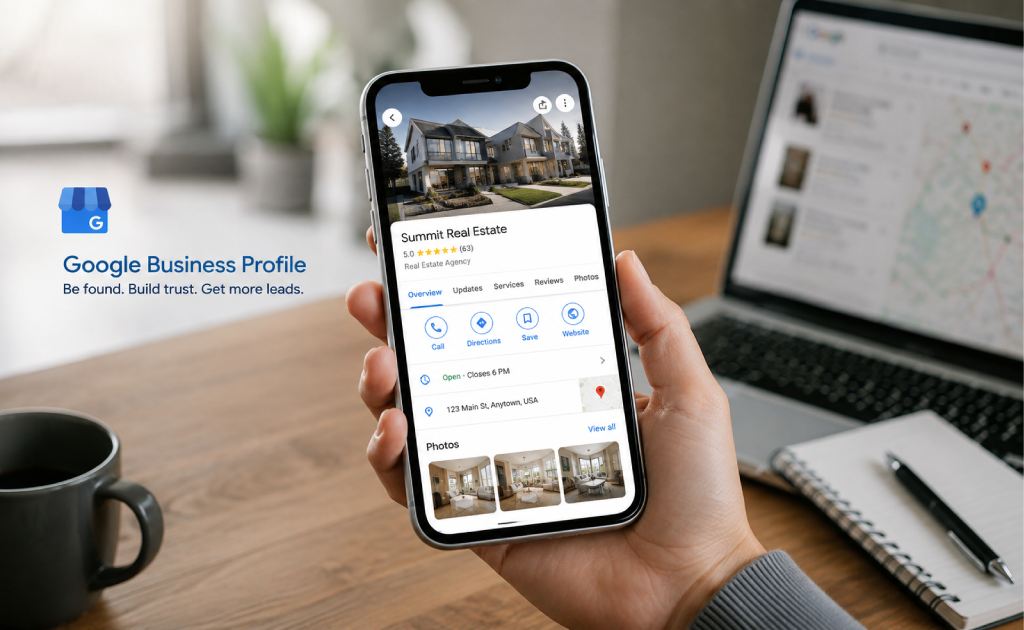
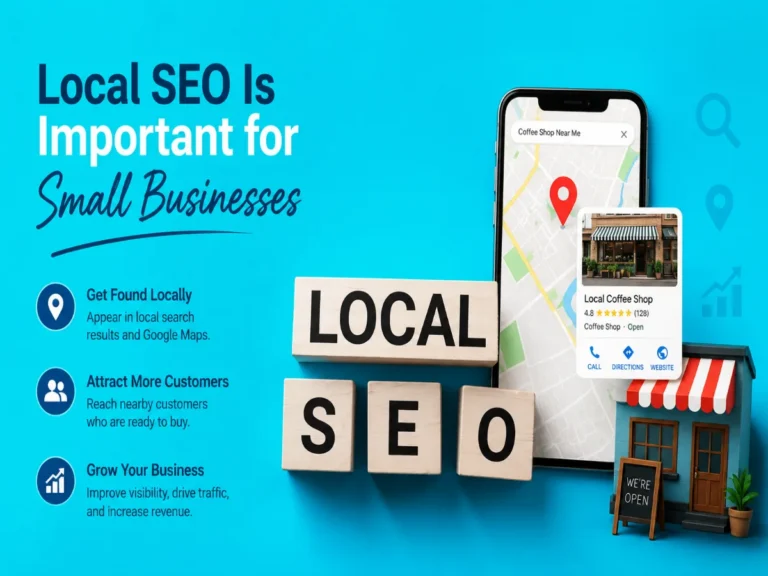
Local SEO for real estate depends heavily on a fully optimized Google Business Profile. That includes accurate business information, service areas, professional photos, and regular posts about new listings or market updates. Agents who neglect this miss out on visibility in the local map pack, which is prime digital real estate for anyone searching nearby.
Google Maps visibility helps people find your office or meeting location easily, which matters more than agents often realize, especially for buyers relocating from out of town. Reviews and reputation management also live here. A profile with dozens of recent, positive reviews builds instant credibility, while a profile with few or outdated reviews can quietly cost you business. Responding to reviews, both positive and negative, shows prospective clients that you are engaged and professional.
Google Business Profile optimization is a relatively quick investment with an outsized return, and it directly supports local lead generation by putting you in front of people who are searching with immediate intent in your service area.
3. Facebook and Instagram
Facebook and Instagram remain two of the strongest platforms for social media marketing for real estate, largely because they combine visual storytelling with powerful advertising tools.
Property showcase posts let you highlight the best features of a listing through photos and carousels, while video tours give potential buyers a real sense of walking through a home before they ever schedule a showing. This kind of content performs especially well because people scroll social media expecting to be shown something, not just told something.
Paid advertising on these platforms allows for precise targeting based on location, income level, life stage, and even behaviors like recent home searches. This makes real estate advertising on Facebook and Instagram particularly efficient for reaching both buyers and sellers who fit a specific profile.
Retargeting campaigns are another major advantage. When someone visits your website or engages with a listing but does not immediately reach out, retargeting ads keep your brand in front of them as they continue browsing social media, gently nudging them back toward a conversation.
Community engagement rounds out the value of these platforms. Local groups, neighborhood pages, and consistent interaction with followers help agents become recognizable figures in their community, not just another name in a feed.
4. LinkedIn
LinkedIn often gets overlooked in real estate marketing, but it plays a valuable role for certain segments of the business. Building professional connections here helps agents network with other professionals, including attorneys, lenders, and financial advisors, who frequently refer clients.
For commercial real estate marketing, LinkedIn is arguably more valuable than any consumer facing platform. Investors, developers, and business decision makers spend their time here, not on Instagram. Sharing market analysis, closed deals, and industry insights positions you as a credible resource in commercial and investment circles.
The B2B opportunities on LinkedIn also extend to partnerships with property management companies, relocation services, and corporate housing coordinators, all of which can become steady sources of referral business over time.
5. YouTube
Video content continues to grow in importance, and YouTube is the natural home for it. Virtual property tours give buyers, especially those relocating from another city or state, a genuine feel for a home without stepping inside.

Neighborhood videos are an often underused format that performs remarkably well. Buyers do not just want to see a house, they want to understand the area, the schools, the restaurants, and the overall lifestyle. A well produced neighborhood guide can rank in search results for years and attract buyers long before they are ready to work with an agent.
Educational content, such as videos explaining the home buying process, financing options, or market trends, builds authority and trust. Video marketing for real estate works particularly well because it lets potential clients see your personality and communication style before ever meeting you, which shortens the trust building process considerably.
6. Real Estate Listing Platforms
Sites like Zillow, Realtor.com, and Redfin remain essential because they are where buyer intent is highest. People visiting these sites are almost always actively looking for a home, which makes them valuable for property discovery. Some agents also lean on an all in one real estate platform, meaning a single system that combines listing syndication, customer relationship management, and lead tracking in one place. These tools can simplify day to day operations, though they typically work best as a complement to your website and search presence rather than a replacement for them.
These platforms drive significant buyer intent traffic, often reaching audiences that would never find your website directly. Listing visibility on these sites, especially with complete descriptions, high quality photos, and accurate details, can meaningfully increase inquiries on a property. While these platforms come with costs, whether through advertising placements or lead generation programs, they remain a core part of a well rounded marketing plan because of the sheer volume of active shoppers who use them daily.
7. Email Marketing Platforms
Email marketing does not get the same attention as social media, but it consistently delivers some of the highest returns in real estate marketing. Lead nurturing through email keeps your name in front of prospects who are not ready to buy or sell yet, so when the timing is right, you are the first person they think of.
Market updates sent regularly position you as a knowledgeable local expert, while property alerts keep active buyers engaged with new listings that match their criteria. Perhaps most importantly, email is one of the best tools for repeat business opportunities, staying connected with past clients so you remain top of mind when they are ready to move again or refer a friend.
How to Choose the Right Marketing Platforms for Your Real Estate Business
There is no single correct answer for every agent or brokerage, and no single real estate marketing platform will cover every need on its own. The right platform mix depends on several factors specific to your business.
Your target audience matters enormously. First time buyers respond differently than luxury clients or commercial investors, and each group spends time on different platforms.
Location shapes strategy too. A dense urban market with heavy competition may require a stronger paid search presence, while a smaller town might see excellent results from local SEO and community focused social media.
Budget determines how aggressively you can pursue paid channels versus organic ones. SEO and content marketing require more patience but lower ongoing cost, while paid ads deliver faster results at a continuous price.
Business goals should guide platform selection directly. An agent focused on building a personal brand might prioritize video and social media, while a team focused purely on lead volume might lean harder into paid search and listing platforms.
The type of properties you sell also influences the decision. Luxury listings often benefit from high production video and targeted social advertising, while commercial properties are better served by LinkedIn and direct outreach.
Finally, your specific lead generation goals, whether that is more seller leads, more buyer leads, or more referral business, should shape how you allocate time and budget across these platforms.
Combining Multiple Platforms for Better Results
The most successful real estate marketing strategies rarely rely on a single platform. Instead, they combine SEO to build long term organic visibility, Google Business Profile optimization to dominate local search, social media marketing to build relationships and showcase listings, paid advertising to generate immediate leads, content marketing to establish authority, and email campaigns to nurture relationships over time.
Think of it as a system rather than a list of separate tactics. SEO and content bring people in through search. Social media keeps them engaged and builds familiarity. Paid ads accelerate results while organic efforts build momentum. Email marketing captures leads who are not ready yet and keeps them warm until they are. Each platform strengthens the others, and together they create a marketing engine that works even when you are not actively pushing content out.
How BA3 Digital Marketing Helps Real Estate Businesses Grow Online
Building and managing this kind of multi platform strategy takes time, expertise, and consistency, which is exactly where a dedicated marketing partner makes a difference. BA3® Digital Marketing works with real estate professionals to build custom strategies rather than one size fits all packages.

Our real estate SEO services are designed to help your website rank for the searches that matter most in your market, driving consistent organic traffic without ongoing ad spend. We pair that with local SEO strategies that strengthen your visibility in Google Maps and local search results, putting you in front of buyers and sellers actively searching nearby.
Through our real estate social media management services, we help agents and brokerages build engaging profiles, produce compelling property content, and run targeted advertising campaigns that turn followers into leads. Our broader real estate digital marketing services bring SEO, content, paid advertising, and email marketing together into one cohesive strategy rather than disconnected efforts.
Most importantly, everything we build is designed around results. Our lead generation services focus on turning traffic and visibility into actual conversations with qualified buyers and sellers, because visibility without leads does not grow a business.
Frequently Asked Questions
There is no single best platform for every agent, since results depend on your market, audience, and goals. That said, Google Search and Google Business Profile are typically the strongest starting points because they capture people who are already searching with clear intent, which usually leads to higher quality leads than platforms built around passive scrolling.
Most successful agents rely on a mix rather than a single real estate marketing platform. Google Search and Google Business Profile capture active buyer and seller intent, social media builds visibility and relationships, listing sites like Zillow and Realtor.com reach shoppers directly, and email keeps leads warm over time. Used together, these platforms cover every stage of the client journey, from first search to closed deal.
Both play different roles and work best together. Google captures active search intent from people ready to buy or sell, making it excellent for lead generation. Social media is stronger for building brand awareness, showcasing listings visually, and staying connected with your audience over time. Most successful agents use both rather than choosing one over the other.
Consistent visibility across multiple channels is the key. That typically means optimizing your website and Google Business Profile for local searches, running targeted paid ads to buyers and sellers in your area, staying active on social media with valuable content, and using email marketing to stay in touch with leads who are not ready to act immediately.
Yes, especially for long term growth. While SEO takes longer to show results compared to paid ads, it produces compounding returns. A well optimized website continues attracting organic traffic and leads for years, making it one of the most cost effective investments in real estate digital marketing over time.
Facebook and Instagram tend to perform best for residential agents because of their strong visual formats and precise advertising targeting. LinkedIn is more valuable for commercial real estate professionals and those focused on networking with investors, developers, and other business professionals.
Final Thoughts
The best platforms for real estate marketing are not necessarily the newest or trendiest ones. They are the platforms that match your audience, your market, and your business goals, used consistently and strategically over time. Google Search and Google Business Profile capture active intent. Social media builds relationships and showcases your listings. Listing platforms put you in front of motivated buyers. Email marketing keeps leads warm until they are ready to act.
No single channel will carry your entire business, but the right combination, executed well, creates a steady stream of qualified leads and long term brand credibility. If building and managing that strategy feels overwhelming alongside the daily demands of selling real estate, partnering with a team that specializes in real estate marketing can help you grow faster and more predictably, without spreading yourself too thin across platforms that are not working for you.
Author
-

Ben Jones is the Founder and CEO of BA3® Digital Marketing. He holds an MBA from the University of Chicago and has earned the CPA, CFA®, and CFP® designations.
During his career as a Financial Advisor, Ben worked with many companies and businesses and saw firsthand how essential a strong online presence had become for long term success. This inspired his passion for digital marketing and helping businesses reach more customers online.
Today, he helps businesses increase visibility, attract qualified leads, and drive sustainable growth through SEO and digital marketing strategies.