How to Grow Your Real Estate Business Online: A Step by Step Guide (2026)
Ben Jones
Table of Contents
Real estate used to be a business built on handshakes, yard signs, and word of mouth. That world hasn’t disappeared, but it’s no longer where deals begin. Today, almost every buyer and seller starts their journey behind a screen, scrolling listings, researching agents, and forming an opinion about you long before they ever pick up the phone.
That shift is both the challenge and the opportunity. The challenge is that you’re now competing with thousands of other agents for the same digital attention. The opportunity is that, unlike a busy weekend open house, your online presence works around the clock. A well built website, a sharp local SEO strategy, or a single helpful video can bring in leads while you sleep.
This guide walks through exactly how to grow a real estate business online, not as a scattered list of tips, but as a practical, sequential plan you can actually follow, from laying your digital foundation to scaling what works.
Steps to Grow Your Real Estate Business Online
Growth online rarely happens by accident. It comes from working through a clear sequence: building a solid digital base, earning visibility in search, showing up consistently on social media, and then layering in paid channels, nurturing, reputation, and tracking on top of that foundation. The seven steps below walk through that sequence in order, so you can start with what matters most right now and build outward from there.
Step 1: Build Your Digital Foundation
Before you spend a dollar on ads or hours on social media, make sure the basics are in place. Everything else you do online will send people back to these three assets.
A Fast, Professional Website : Your site is your digital storefront, and it needs to do more than look nice. It should load quickly on mobile, display current listings, and make it effortless for a visitor to reach you: a visible phone number, a simple contact form, and clear calls to action on every page. Skip the stock photography and generic templates; agents who invest in genuine photography and a distinct layout tend to earn more trust at first glance.
A CRM That Actually Captures Leads:A beautiful website is wasted if inquiries land in an inbox you check twice a week. Connect your site to a CRM that logs every lead automatically, tags them by source, and triggers a follow up sequence. The agents who win aren’t necessarily the ones with the most traffic. They’re the ones who respond first.
An Optimized Google Business Profile:This is one of the highest return, lowest effort steps available. A complete, verified, regularly updated profile with real reviews and accurate service areas helps you show up when someone nearby searches for an agent, often before they ever visit a website at all. Get these three right, and every tactic that follows has something solid to funnel traffic toward.
Step 2: Own Local and Organic Search
Search engines are still where most real estate journeys begin, so this is where the bulk of your long term effort should go.
Start With Keyword Research That Matches Real Intent:Buyers and sellers search differently. “Homes for sale in [neighborhood]” signals a buyer, while “how much is my house worth in [city]” signals a seller. Build your content around these actual phrases rather than guessing at generic industry terms.
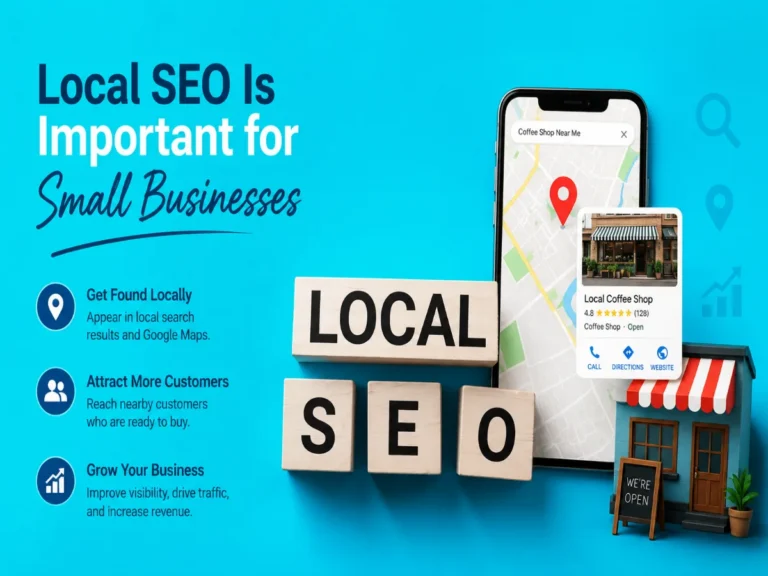
Prioritize Local SEO:For most agents, ranking in the local map pack matters more than ranking nationally ever will. That means consistent business information across directories, location specific landing pages, and content that speaks directly to the neighborhoods you serve.
Blog With a Purpose, Not a Quota: Publishing for the sake of publishing rarely moves the needle. Instead, answer the exact questions your clients ask you in person: what to expect at closing, how to price a home in a shifting market, what inspections typically uncover. Genuinely useful content earns search visibility and builds trust at the same time.
Don’t Ignore AI Powered Search:This is where most competitors are still behind. Search is no longer limited to a list of blue links. AI assistants and zero click answer panels increasingly summarize information without sending a visitor to a website at all. To stay visible, structure your content with clear headings, direct answers near the top of each section, and factual, well organized information that’s easy for these tools to extract and attribute to you. Agents who adapt to this shift now will have a real edge over the ones still writing purely for traditional rankings.
3. Build a Social Media Presence and Personal Brand
Social media won’t replace your website, but it’s often how people discover you in the first place. A strong real estate social media presence helps you build trust, showcase your expertise, and stay connected with potential clients.
Choose Platforms Based on Where Your Clients Actually Are
Lead With Video:A short walkthrough, a market update, or a quick explainer on a common buyer question consistently outperforms a static listing photo. It doesn’t need to be highly produced. It needs to sound like you and answer a real question.
Stay Consistent:A profile that’s active and current builds more trust than one with a handful of polished posts and long gaps in between. Consistency, more than volume, is what turns followers into leads.
Step 4: Use Paid Advertising and Listing Platforms
Organic growth takes time. Paid channels can fill the gap while your SEO and content build momentum.
Run Targeted Ads on Google and Meta:Start small and specific. A single campaign aimed at a defined neighborhood or buyer type will almost always outperform a broad, unfocused one. Track cost per lead closely so you know exactly what’s working before scaling spend.
Maintain a Strong Presence on Major Listing Platforms: Platforms like Zillow, Realtor.com, and Trulia still draw many buyers directly, so complete profiles, high quality photos, and quick response times here directly influence how many leads convert into conversations.
Step 5: Nurture Leads With Email Marketing
Most leads don’t convert on the first visit. They convert after several touchpoints over weeks or months. Email is how you stay present during that gap without becoming a nuisance.
Automate the Welcome Sequence: Set up an automated welcome sequence for new leads, followed by a steady cadence of market updates, new listings, and helpful tips.
Keep the Focus on Value, Not Just Selling: The goal isn’t constant selling. It’s staying useful and visible so that when someone is finally ready to act, you’re the name they already recognize.
Step 6: Build Your Online Reputation
Trust is the real currency in real estate, and reviews are how that trust shows up online before a client ever meets you.
Make Reviews Part of Your Closing Process: Make requesting a review part of your standard closing process, not an afterthought. A simple, direct ask, sent right after a successful transaction, will consistently outperform a vague “leave us feedback sometime” request.
Put Your Reviews to Work: Feature them on your website, share them on social media, and let real client experiences do the persuading for you.
Step 7: Track What's Working and Scale It
None of the steps above matter if you’re not measuring the results.
Watch a Small Set of Meaningful Numbers: Keep an eye on website traffic, cost per lead, lead to client conversion rate, and where your best clients actually came from.
Reinvest in What Works: Once you can see clearly which channel is producing results, put more time and budget there, and be willing to cut what isn’t working, even if it’s the tactic you enjoy most.
It varies widely, but many agents start seeing traction with a modest monthly budget covering a website, CRM, and a small ad spend, then reinvest as leads convert.
Paid ads and social media can generate inquiries within weeks. SEO and content marketing typically take a few months to build momentum, but the results tend to compound and last far longer.
The core principles are the same, but brokerages usually need to layer in agent level branding alongside the company brand, and often have more room in the budget for paid advertising and dedicated content creation.
Final Thoughts
Growing a real estate business online isn’t about chasing every new trend. It’s about getting the fundamentals right, showing up consistently where your clients are already looking, and paying close enough attention to know what’s actually working. Start with your foundation, build outward step by step, and let the data guide where you invest next.
Ben Jones is the Founder and CEO of BA3® Digital Marketing. He holds an MBA from the University of Chicago and has earned the CPA, CFA®, and CFP® designations.
During his career as a Financial Advisor, Ben worked with many companies and businesses and saw firsthand how essential a strong online presence had become for long term success. This inspired his passion for digital marketing and helping businesses reach more customers online.
Today, he helps businesses increase visibility, attract qualified leads, and drive sustainable growth through SEO and digital marketing strategies.